.svg)
.svg)
.svg)
.svg)
Semi-Detached House: Pros, Cons, and Key Features
A semi-detached house offers a balance between the privacy of a detached home and the affordability of a townhouse. In this guide, you'll learn how semi-detached homes work, their advantages and disadvantages, common design features, and what to consider before buying or building one.
Choosing the right type of home is one of the most important decisions you'll make, and in Nova Scotia's housing market, semi-detached houses are becoming an increasingly popular choice for first-time buyers, downsizers, and investors alike. They offer a practical middle ground between the affordability of a townhouse and the independence of a fully detached home. But like any property type, they come with trade-offs worth understanding before you commit.
This guide covers everything you need to know about semi-detached houses, from key features and Pros and cons to who they're best suited for and whether they make a sound long-term investment.
What Is a Semi-Detached House?
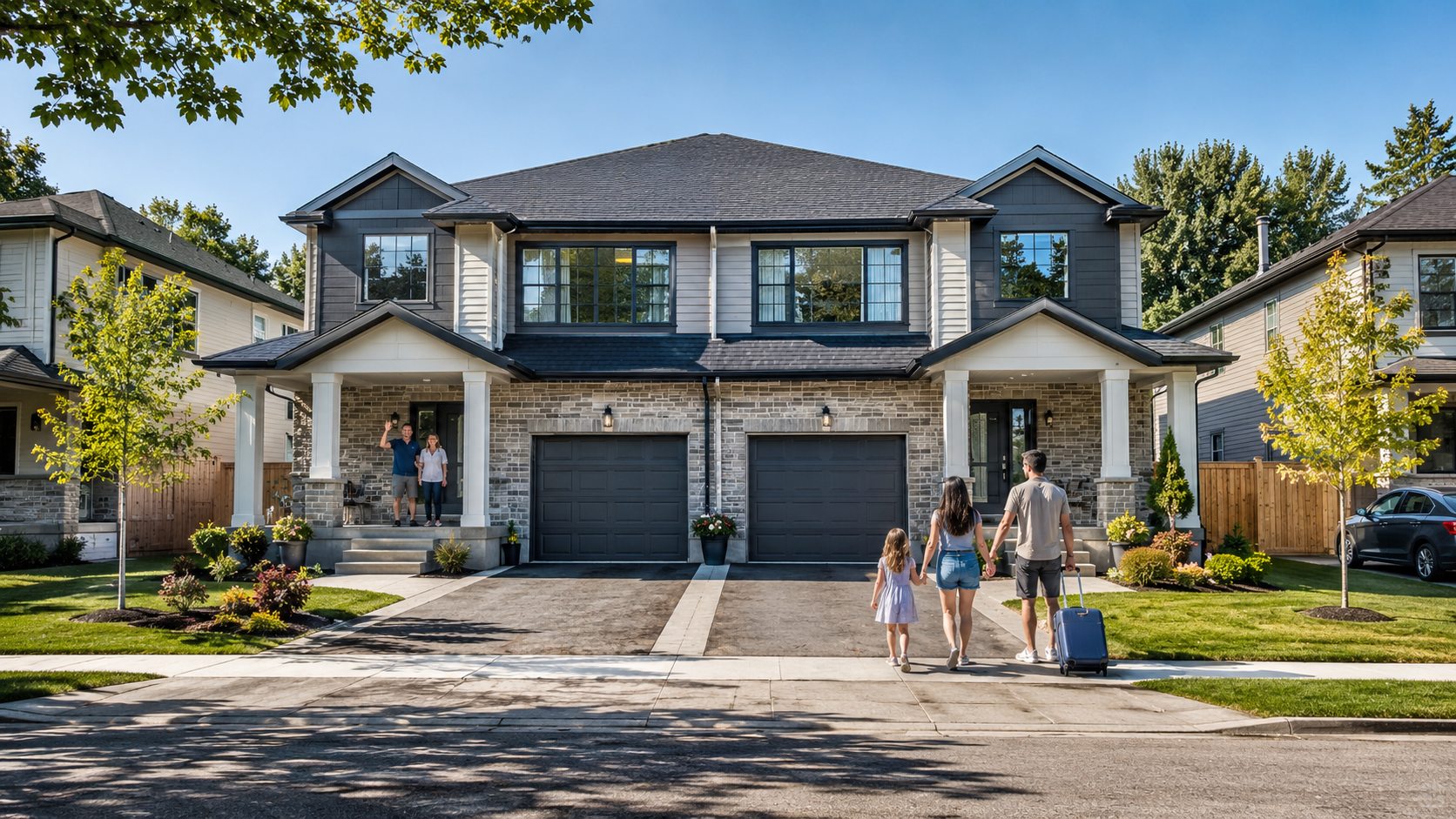
A semi-detached house is a residential property that shares one common wall with an adjoining home. The two units sit side by side on separate lots, each with its own entrance, yard space, and typically its own utilities. Unlike a townhouse, which may share walls on both sides, a semi-detached home only connects to one neighbouring property, giving it a layout and feel closer to a fully detached house.
In Nova Scotia, semi-detached homes are common across Halifax Regional Municipality, including established neighbourhoods in Dartmouth, Bedford, and the Halifax Peninsula, as well as newer residential developments in communities like Timberlea, Sackville, and Cole Harbour. They're often built as mirror-image pairs, though designs vary considerably depending on the builder and development.
Key Features of a Semi-Detached House
Understanding what makes a semi-detached home distinct helps you evaluate whether it fits your lifestyle and long-term goals.
- Shared Party Wall: One structural wall is shared with the neighbouring unit. Modern builds include fire separation and sound insulation within this wall to minimize noise transfer between homes
- Separate Entrance: Each unit has its own private front door, driveway, and postal address, maintaining a level of independence not found in apartment living
- Individual Outdoor Space: Most semi-detached homes include a private backyard or side yard, which is a significant advantage over condos and many townhouse configurations
- Independent Utilities: Each unit typically has its own electrical panel, water meter, heating system, and utility accounts
- Two-Storey Layout: The majority of semi-detached homes in Nova Scotia follow a two-storey floor plan, with living areas on the ground floor and bedrooms above, similar to a standard detached family home
- No Condo Fees: Unlike strata-titled properties, semi-detached homes are typically freehold, meaning no monthly maintenance fees or condo corporation rules to navigate
- Shared Foundation and Roof Structure: While utilities are separate, the foundation and roofline are often shared or mirrored, which can affect future renovation planning
These defining features make semi-detached homes a compelling option for Nova Scotia buyers who want the independence of detached living without the full price tag that comes with it.
Pros and Cons of a Semi-Detached House
Every property type has strengths and limitations. Here's a balanced look at what semi-detached living actually means in practice:
Pros
- More Affordable Than Detached: Semi-detached homes almost always cost less than a comparable fully detached property in the same neighbourhood, making them a realistic entry point into Nova Scotia's housing market
- Private Outdoor Space: Having your own yard sets semi-detached homes apart from condos and many rental options, particularly valuable for families with children or pets
- Freehold Ownership: No condo fees, no strata board, and no shared amenity costs. You own your unit and your lot outright
- Better Sound Separation Than Townhouses: With only one shared wall instead of two, noise from neighbours is generally less of an issue than in a mid-row townhouse unit
- Strong Rental Income Potential: In Halifax's tight rental market, semi-detached homes, particularly legal duplexes or properties with secondary suites, can generate strong monthly rental returns
- Lower Maintenance Than Detached: A smaller overall footprint and shared wall means less exterior surface to maintain compared to a fully detached home on a similar lot
Cons
- Shared Wall Noise: Even with proper insulation, sound transmission through a party wall can be noticeable, particularly in older Nova Scotia homes where acoustic standards were lower
- Less Privacy Than Detached: Living in close proximity to a neighbour on one side is an adjustment, particularly for buyers accustomed to fully detached living
- Smaller Lot Size: Semi-detached lots are typically narrower than detached properties, which limits yard space and can affect future renovation or addition plans
- Renovation Constraints: Any structural work involving the shared wall requires coordination with the adjoining owner and may be subject to additional building code requirements
- Resale Perception: In some markets, buyers perceive semi-detached homes as less desirable than fully detached properties, which can affect resale value growth over time
Weighing these pros and cons against your lifestyle, budget, and long-term goals gives you a much clearer picture of whether a semi-detached home is the right fit.
Semi-Detached House vs. Detached House: What's the Difference?
The most common comparison Nova Scotia homebuyers make is between semi-detached and fully detached homes. Here's how they stack up:
Feature
Semi-Detached House
Detached House
Shared Walls
One (party wall)
None
Privacy Level
Moderate
High
Purchase Price
Lower
Higher
Lot Size
Narrower
Larger
Outdoor Space
Private but compact
More generous
Renovation Flexibility
Moderate
High
Maintenance Costs
Lower
Higher
Noise from Neighbours
Some
Minimal
In Halifax's current real estate market, a detached home in an established neighbourhood like the South End or Fairview can cost significantly more than a comparable semi-detached property just streets away. For buyers where budget is a genuine constraint, a semi-detached home often delivers 80 to 90 percent of the detached experience at a noticeably lower price point.
Semi-Detached House vs. Townhouse: Which Is Better?
Both semi-detached homes and townhouses offer an alternative to fully detached living, but they serve different buyer profiles.
Feature
Semi-Detached House
Townhouse
Shared Walls
One
Two (both sides)
Privacy
Higher
Lower
Outdoor Space
Private yard
Often limited or shared
Condo Fees
Typically none
Often applicable
Layout
Usually two-storey
Two or three-storey
Purchase Price
Moderate
Generally lower
Noise Exposure
Less
More
A semi-detached home is the better choice if privacy, private outdoor space, and freehold ownership matter most to you. The single shared wall and independent lot give you a living experience much closer to a detached home.
A townhouse is the better choice if purchase price is your primary driver and you're comfortable with shared walls on both sides. Many townhouse developments in HRM also include exterior maintenance as part of a monthly fee, which appeals to buyers who want lower hands-on upkeep.
The right choice ultimately comes down to your lifestyle priorities, budget, and the specific properties available in your target Nova Scotia community.
Who Should Consider Buying a Semi-Detached House?
Semi-detached homes aren't the right fit for every buyer, but for the right person, they offer exceptional value. Here's who tends to benefit most:
First-Time Homebuyers
Semi-detached homes offer a realistic path into Nova Scotia's competitive housing market without the premium price tag of a fully detached property. For buyers in Halifax, Dartmouth, or Bedford who want freehold ownership and private outdoor space within a manageable budget, semi-detached is often the most practical option.
Young Families
A private backyard, two-storey layout, and neighbourhood setting make semi-detached homes a strong choice for growing families who want the feel of a detached home without stretching their finances.
Downsizers
Homeowners transitioning out of a larger detached property often find semi-detached homes offer the right balance, enough space to live comfortably with less exterior maintenance and a lower overall cost of ownership.
Real Estate Investors
In Halifax's rental market, where vacancy rates remain low and demand for quality housing continues to grow, semi-detached properties, particularly legal duplexes, offer attractive rental income potential with manageable operating costs.
If you fall into any of these buyer profiles, a semi-detached home in Nova Scotia deserves a serious look, it's a property type that consistently delivers strong value across multiple life stages and financial situations.
Is a Semi-Detached House a Good Investment?
In Nova Scotia's current real estate environment, semi-detached homes represent a sound long-term investment for most buyers. Here's why:
- Consistent Demand: Halifax continues to attract interprovincial and international migration, driving sustained demand for housing across all price points. Semi-detached homes, positioned between condos and detached houses in both price and lifestyle, consistently attract a broad pool of buyers and renters.
- Strong Rental Income Potential: A well-located semi-detached home in HRM can generate $1,600 to $2,400 per month in rental income depending on size, condition, and neighbourhood. Legal duplex configurations, where both units are separately rentable, can deliver even stronger returns.
- Lower Entry Cost, Competitive Appreciation: Semi-detached homes typically appreciate at rates comparable to detached properties in the same neighbourhood, but with a lower initial purchase price. This means your return on equity can be proportionally stronger over a 5 to 10-year horizon.
- Freehold Land Ownership: Unlike condos, you own the land your semi-detached home sits on. In Nova Scotia's growing communities, land value appreciation is a meaningful component of overall property value growth.
As with any real estate investment, location, property condition, and build quality are the most important factors. Working with an experienced local builder or real estate professional ensures you're making a well-informed decision.
Final Thoughts
A semi-detached house hits a genuinely useful sweet spot in Nova Scotia's housing market, offering private outdoor space, freehold ownership, and a layout that feels like a detached home, all at a more accessible price point. Whether you're a first-time buyer stepping into the Halifax market, a family looking for more space, or an investor seeking reliable rental returns, a well-chosen semi-detached property delivers real long-term value.
Do your due diligence, understand the shared wall implications, and work with builders and advisors who know the Nova Scotia market inside and out.
FAQs
What Is A Semi-Detached House?
A semi-detached house is a home that shares one structural wall with an adjacent property. Each unit has its own entrance, outdoor space, and utilities, making it closer in feel to a detached home than an apartment or townhouse.
Is A Semi-Detached House Freehold In Nova Scotia?
Yes. Most semi-detached homes in Nova Scotia are freehold properties, meaning you own your unit and the land it sits on outright with no condo fees or strata corporation involvement.
How Much Does A Semi-Detached House Cost In Nova Scotia?
Prices vary by location and size, but semi-detached homes in HRM typically range from $350,000 to $600,000. Properties in established Halifax neighbourhoods or waterfront-adjacent communities will sit at the higher end of that range.
Are Semi-Detached Homes Noisy?
Noise levels depend heavily on the age of the home and the quality of insulation in the party wall. Modern semi-detached builds in Nova Scotia include fire-rated and acoustically insulated party walls that significantly reduce sound transfer between units.
Can I Renovate A Semi-Detached House?
Yes, with some limitations. Interior renovations are generally straightforward. Any structural work involving the shared party wall requires coordination with the adjoining owner and must comply with Nova Scotia Building Code fire separation requirements.
Is A Semi-Detached House A Good Investment In Halifax?
Yes. Halifax's strong rental demand, population growth, and relatively limited housing supply make semi-detached homes a sound investment, particularly legal duplex configurations that generate rental income from both units.
What Is The Difference Between A Semi-Detached House And A Duplex?
A duplex is a single building divided into two separate units, one above the other or side by side, typically under one ownership. A semi-detached house consists of two separately owned units sharing one wall, each on its own title and lot.
Do Semi-Detached Homes Have Shared Driveways?
Sometimes. Some semi-detached configurations include a shared driveway with a legal easement agreement, while others have fully separate driveways. This should be confirmed and clearly documented before purchase.
How Is A Semi-Detached House Different From A Townhouse?
A semi-detached home shares one wall with one neighbouring unit. A townhouse shares walls on both sides (in mid-row configurations). Semi-detached homes generally offer more privacy, a private yard, and no condo fees, while townhouses are typically more affordable to purchase.
Who Builds Quality Semi-Detached Homes In Nova Scotia?
Look for an established local builder with a proven track record in Nova Scotia's residential construction market. Experience with HRM zoning requirements, Nova Scotia Building Code compliance, and energy-efficient construction practices are the key qualities to look for when choosing a builder for a semi-detached home project.