
.svg)
.svg)
.svg)
.svg)
Accessory Dwelling Units (ADU) Builder in Halifax, NS
Add flexible living space and long-term value to your Halifax property with a custom accessory dwelling unit. Signature Homes designs and builds legal ADUs, backyard suites, and secondary suites across Nova Scotia, tailored to your lifestyle and budget.
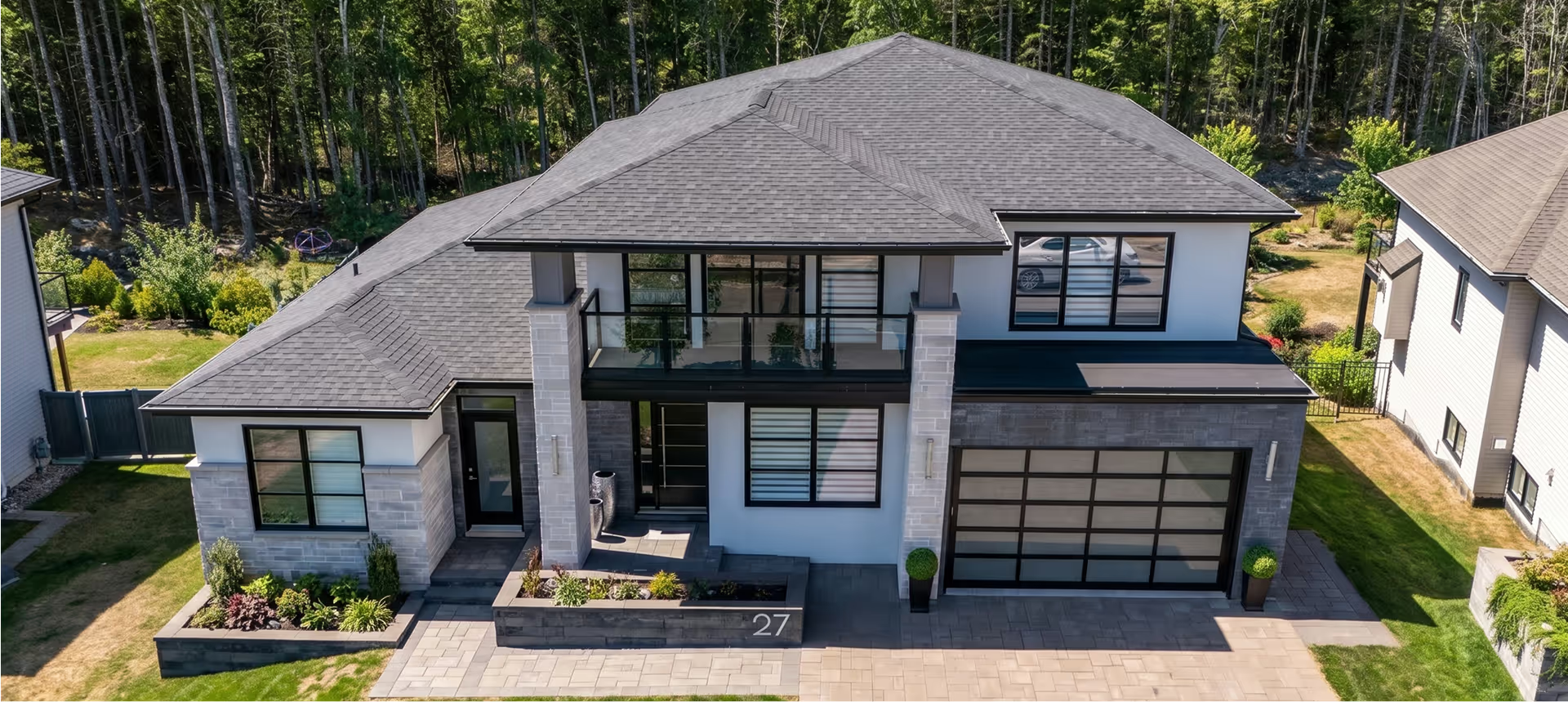
What Is an Accessory Dwelling Unit?
An accessory dwelling unit, or ADU, is a self-contained living space on the same residential lot as your primary dwelling. In Halifax, these accessory dwellings come in two main forms.
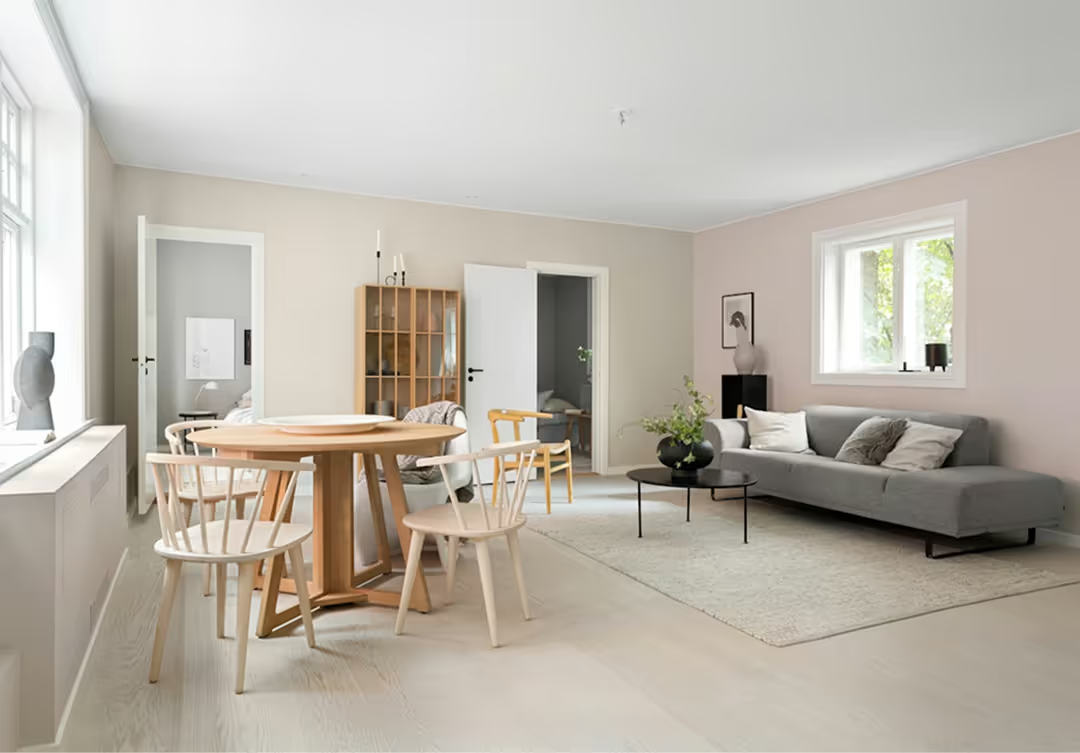
Secondary Suites
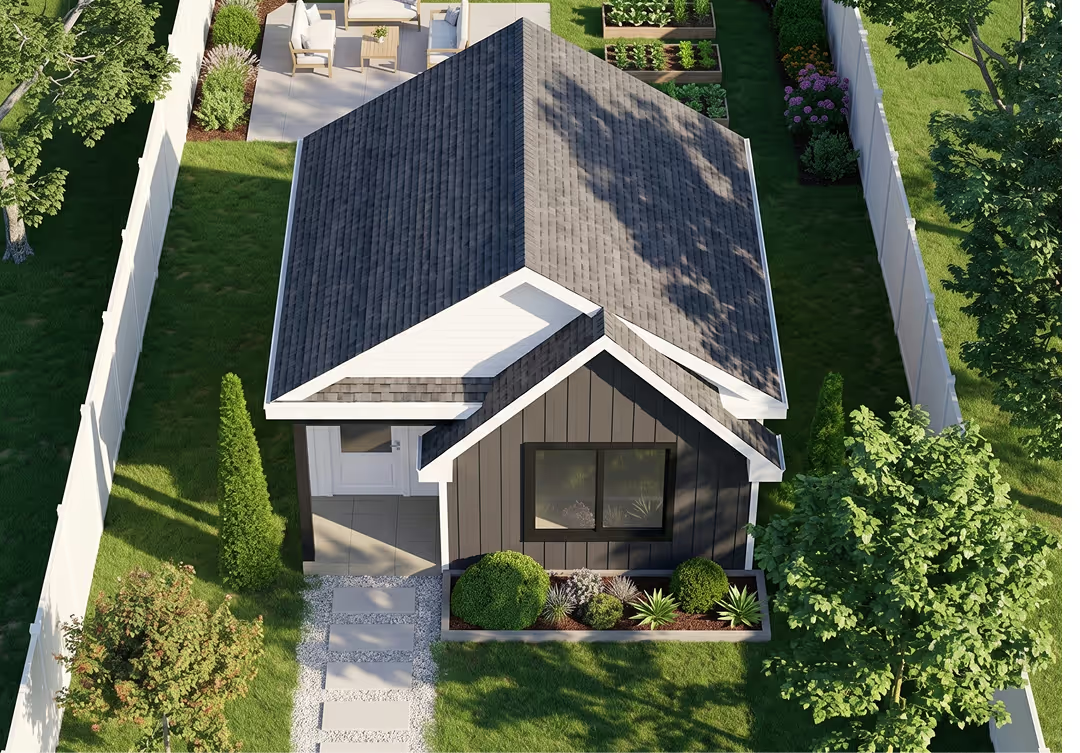
Backyard Suites
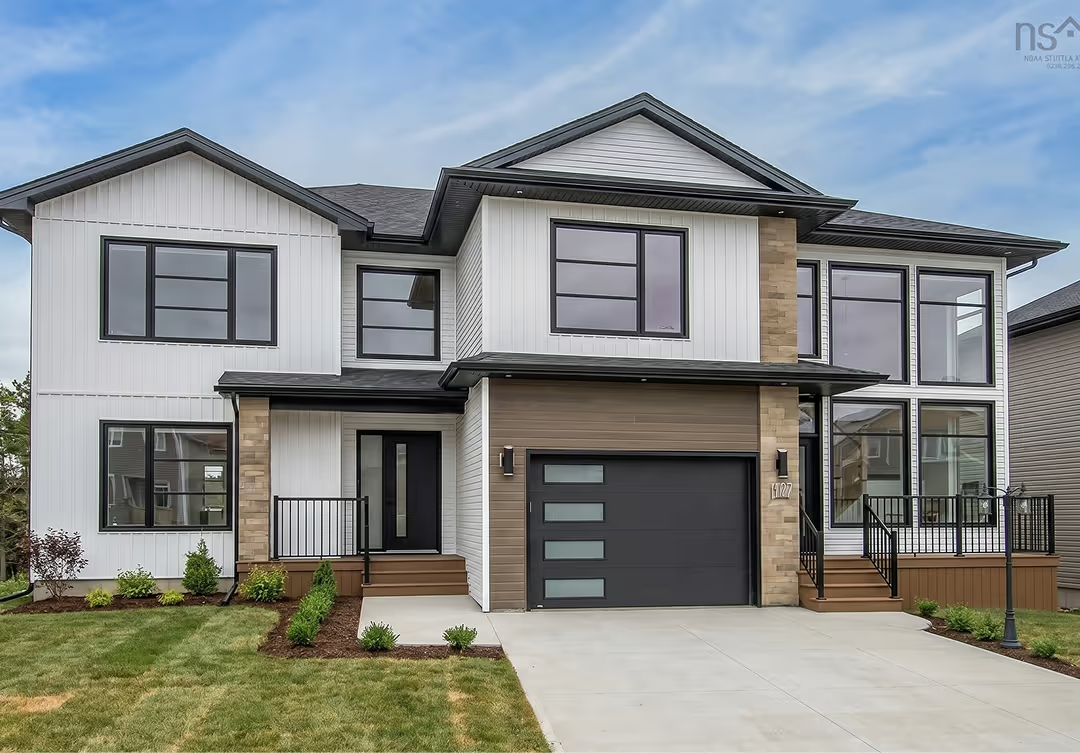
Attached ADUs
Both options create legal, rentable, or family-ready space without requiring you to buy a new property. Each secondary dwelling unit adds meaningful housing options to our community.
Nova Scotia Incentive Programs and Federal Support
Halifax homeowners may be eligible for two programs that can be combined, worth up to $53,000 in total support
The HRM Second Unit Incentive Program offers a non-repayable grant of up to $13,000 to offset water and wastewater connection costs. The Nova Scotia Secondary and Backyard Suite Incentive Program provides a forgivable loan covering up to 50% of eligible construction costs, to a maximum of $40,000. Both programs require the unit to be used as long-term rental housing. Short-term rentals like Airbnb are not permitted while funding is active.
Important: You will need financing or equity to cover upfront costs. Funding is reimbursed or forgiven after construction is complete and inspected. We help you confirm eligibility, prepare documentation, and align your design with program guidelines.
.avif)
Why Halifax Homeowners Are Choosing ADUs
Generate Rental Income
Support Multi-Generational Living
Create a Dedicated Workspace
Boost Property Value and Support Affordable Housing
Every additional dwelling unit helps address local housing needs while giving the property owner financial flexibility.
Building an ADU in Halifax: What You Need to Know
Zoning & Property Rules
For example, in ER-2 zoning areas, you can build up to two main dwelling units plus one backyard suite on a single residential lot. Properties zoned for a semi-detached house may have different allowances, so we review your specific zoning early or contact us for a free consultation.
Design Requirements
Key design considerations include floor area ratios, ceiling height minimums, and appropriate room sizes that meet Nova Scotia Building Code. Our team handles these details so your project moves forward smoothly.
Permits & Timeline
Permit review timelines in HRM average 6 to 10 weeks for garden suite applications. The building department reviews each building permit application carefully. We coordinate with municipal planners and keep you updated at every step.
Costs & Fees
Building permit fees vary by project scope. We provide a clear breakdown during your consultation so there are no surprises.
Signature Homes' ADU Process
We believe building ADUs should feel as good as living in one. Here is how we make it happen.
Free Property Assessment
We start with a no-obligation visit to your Halifax property. We assess lot size, zoning, utility access, and your goals. Then we share realistic options and budget ranges for your accessory building project.
Submission
Your application is filed through HRM's PPL&C system or the relevant municipal portal . If you are in a region served by the Eastern District Planning Commission, submission steps may vary slightly.
Review Period
A building official and municipal staff review your plans for code compliance. This typically takes 6 to 10 weeks for garden suite applications.
Permit Issuance
Once approved, you receive your development permit and can schedule your pre-construction meeting.
Inspections During Build
Key milestones like foundation, framing, and insulation require a building inspection before work continues . Your building inspector will visit at each stage to verify compliance.
Common Questions About ADUs in Halifax
Do I need a separate entrance for a secondary suite?
Yes. To be considered a legal secondary suite in HRM, the residential unit must have its own private entrance, kitchen, bathroom, and sleeping area. We ensure your design meets all occupancy and egress requirements.
How do I know if my property qualifies for an ADU?
Most residential lots in Halifax Regional Municipality allow accessory dwellings, but specifics depend on your zoning, lot size, and existing structures. We start with a property assessment to review your eligibility and walk you through next steps.
Does adding an ADU affect my property taxes in Halifax?
Yes, adding a legal residential unit can increase your assessed property value, which may affect your taxes. However, the rental income from your ADU often offsets this change. We recommend speaking with your tax advisor or contacting the Property Valuation Services Corporation (PVSC) for a personalized estimate before you begin.
Can I rent out my ADU short-term?
Short-term rental rules in Halifax depend on your property's zoning and municipal licensing requirements. We advise clients on current regulations during the design phase so your accessory dwelling aligns with your intended use.