.svg)
.svg)
.svg)
.svg)
Tiny Home vs. Small Home: What Is the Difference and Which Is Right for You?
Tiny homes and small homes are not the same thing. We break down the key differences in size, cost, zoning, and lifestyle so you can decide which is the right fit for Nova Scotia living.

You know that feeling when you are scrolling through listings and see "tiny home" and "small home" used like they mean the same thing? Yeah, we hear that confusion a lot. Here is the truth. They are not the same. And for anyone building in Halifax, that difference affects your budget, your permit application, and how you actually live day to day. At Signature Homes, we have helped dozens of clients sort through this exact question. Let us break it down the way we do over coffee in our Dartmouth office.
What Defines a Tiny Home vs. a Small Home in Nova Scotia?
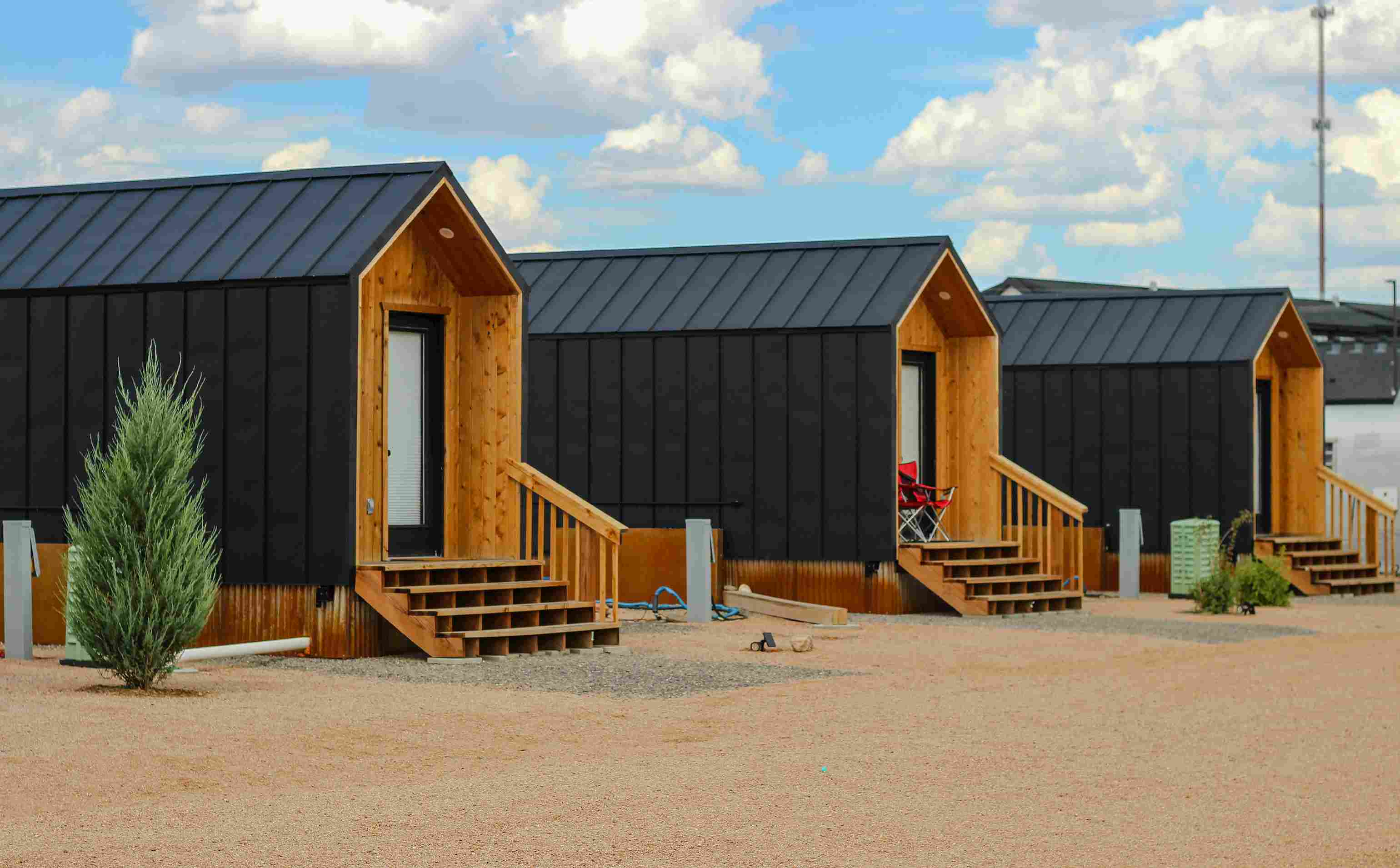
Let us start with the official stuff, because in Nova Scotia, definitions matter. A tiny house is legally defined as 37 m² or less. That is about 400 square feet. Picture a cozy studio, but every inch has a job. That is the tiny home vibe. Now, a small home. We are talking 400 to 1,000 square feet here. That is enough space for a bedroom you do not have to climb through to reach your clothes. A proper corner for your laptop when you are working from home. And storage that makes sense, so your winter gear is actually findable when the January wind hits. It is the difference between clever design and comfortable living.
You will see terms like micro homes or mini home in listings. Often, they are just marketing words for compact living. The real question is not the label. It is how the space works for you. Tiny home construction leans hard into multi-use furniture and vertical storage. Small homes keep separate rooms but still embrace efficient design. Both can feel spacious when done right. It just depends on what your daily life needs.

Size, Layout, and Lifestyle: What Actually Fits Your Life Here?
Picture this. You wake up in a lofted bed, step down into a kitchen that does triple duty, and your living area folds away so you can host friends. That is tiny home living. It is beautiful, intentional, and perfect if you love simplicity. Many clients choose this for retirement near the Halifax waterfront, or as a low-maintenance option while they travel.
Now picture a small home. You have a dedicated space for your home office, a mudroom for wet gear after a Peggy's Cove walk, and a guest corner for when family visits from Ontario. For families in Clayton Park, Bedford, or Dartmouth, that extra room supports real life without the upkeep of a large property.
We ask clients a few simple questions to help them decide:
- Who lives here full time, and how often do you have guests?
- What do you actually need to store? Seasonal decor, hobby gear, work tools?
- Where do you see yourself in five years? Downsizing now, or building a home you can stay in long term?
- How important is outdoor space? Smaller footprints often mean more yard, which is a win in HRM's walkable neighbourhoods.
Cost and Construction: What to Expect in Halifax
Budget talk. Let us be direct. At Signature Homes, custom builds start at $225 per square foot, HST included, for homes with solid finishes and energy-efficient systems.
Here is the reality. Kitchens and bathrooms are expensive, period. Does not matter if the house is tiny or not. You still need plumbing, power, heat, appliances. So while the overall number on your estimate might look smaller, the price per square foot can surprise you. It is just how the math works.
A solid, well-built tiny house on a foundation might start around $65,000 for the structure alone. Then you add land, hooking up to water and sewer, permits, site prep. It adds up, fast. With a small home, say 600 to 1,000 square feet, you often stretch your dollar further per foot while keeping the overall project within reach. If you are curious about where to save without cutting corners, our guide on the cheapest small homes to build in Nova Scotia shares the practical tips we use with clients every day.
Permitting affects timeline and cost too. In Nova Scotia, you need a building permit for any accessory structure over 215 square feet. Whether you choose tiny or small, working with a local builder who knows HRM's process saves headaches. We have completed over 200 projects across the region. We know which neighbourhoods welcome compact designs and how to navigate approvals smoothly.
Zoning and Legal Considerations for HRM Properties
Halifax Regional Municipality has been updating rules for smaller housing. Good news if you are considering a backyard suite. These are now permitted as accessory dwelling units in many residential zones. The maximum floor area is 90 m², with a 60 m² footprint limit on the Halifax Peninsula and Downtown Dartmouth. Setbacks, height, and utility connections still follow accessory building rules.
Tiny homes on permanent foundations follow standard residential permitting. Wheeled tiny homes? Different story. They are often classified as recreational vehicles. That limits where you can park them long term. Some rural areas of HRM offer more flexibility. Urban neighbourhoods usually require a permanent foundation for a legal primary residence.
Before you fall in love with a plan, check with HRM planning about your specific lot. The Centre Plan 2026 updates are also reviewing urban design rules for small-scale housing. That could open more opportunities for compact builds soon.
If you are considering a custom build, our custom home process walks you through zoning checks, design collaboration, and permitting from day one. We have built over 200 homes across HRM. We know which neighbourhoods welcome compact designs and how to make the process feel straightforward, not stressful.
FAQ
Can I build a tiny home as my primary residence in Halifax?
Yes, with conditions. A tiny home on a permanent foundation can be a primary residence if it meets Nova Scotia Building Code and local zoning. In HRM, that often means building on a lot zoned for multi-family housing or as an approved accessory dwelling unit. Always confirm with HRM planning before purchasing land or finalizing designs. We help clients navigate this step all the time.
What is the minimum square footage for a legal dwelling in Nova Scotia?
Nova Scotia defines a tiny house as 37 m² or about 400 sq ft. But municipalities can add their own minimums for primary dwellings. Some HRM zones require primary homes to exceed a certain size. Secondary suites and backyard suites have separate limits, like the 90 m² maximum for backyard units. We review these details during our initial consultation.
Are tiny homes on wheels allowed in HRM residential zones?
Wheeled tiny homes face more restrictions. They are often treated as recreational vehicles, which limits long-term occupancy in residential zones. Some rural areas of HRM offer more flexibility. But urban neighbourhoods typically require a permanent foundation for a dwelling to be considered a legal primary residence. Connecting to approved water and sewer systems is also required.
So, Which One Feels Like Home?
Honestly, it comes down to your day to day. Do you dream of waking up in a space where everything you own fits within arm's reach, with lower bills and less to maintain. A tiny home might just click. Or do you picture having a corner for your desk, a spot for guests to stretch out, room to spread out after a long day. That is where a small home shines.
We have seen both work beautifully for folks across HRM. The key is matching the build to your life, not the other way around. At Signature Homes, every custom home build starts with a conversation about what matters to you. Maybe you are picturing a cozy backyard suite tucked behind your Gottingen Street home. Or a modest primary residence with harbour views in Dartmouth, where you can watch the ferries come in. However you see it, we take care of the paperwork, the permits, the little details that add up. What you get is a home that actually feels like you, built to handle our Nova Scotia winters and those salty ocean breezes.
If any of this has you thinking, contact Signature Homes today. Let's talk about what you need and what is possible on your lot, look at your ideas, and help you figure out the next step.