.svg)
.svg)
.svg)
.svg)
Home Renovation Permits in Nova Scotia: A Complete Guide
Before you renovate, you need the right permits. Signature Homes breaks down which projects require a permit in Nova Scotia, what the process looks like, and how to avoid costly mistakes.
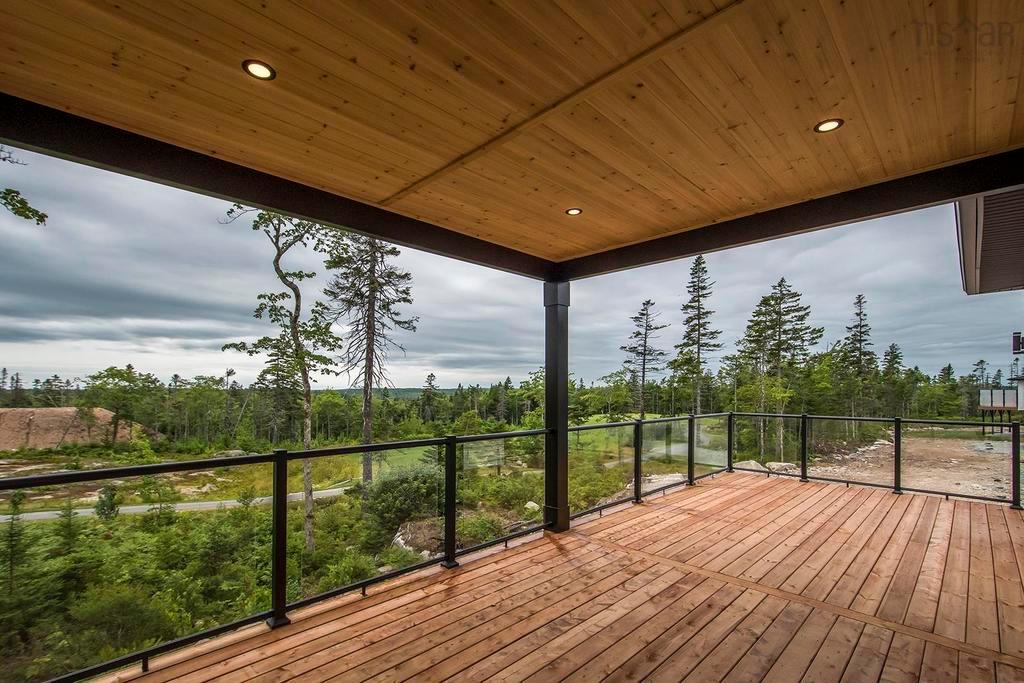
You probably are not reading this for fun. You are looking into permits because you have a home renovation permit project already taking shape. A contractor mentioned the paperwork. A neighbour brought it up over a coffee. Or you just want to make sure you do this right from day one. In Nova Scotia, pulling the correct approvals before breaking ground is the only way to protect your timeline, your budget, and your home.
When You Actually Need a Permit for House Renovation
First off, not every update requires city approval. If you are swapping out laminate for hardwood, painting your front door, or updating cabinet hardware, you are clear. No permit needed.
But if your plans touch the structure, the systems, or the way your home handles weather and water, HRM wants to see your drawings. That is not red tape. That is protection.
You will need to apply for a permit if you are:
- Taking down a wall and you are not completely sure it is non load bearing
- Adding a new bathroom or moving plumbing anywhere
- Building a deck that sits more than two feet off the ground
- Finishing your basement with a bedroom that needs an egress window
- Installing a wood stove or changing your heating system
- Creating a secondary suite, like a basement apartment or garden home
You can probably skip the permit for:
- Replacing flooring, paint, or trim in the same layout
- Swapping countertops or cabinets without moving plumbing
- Changing light fixtures or faucets where wires and pipes stay put
- Re roofing with similar materials
- Adding insulation inside existing wall cavities
Still unsure where your project lands. Pull up HRM's Interactive Property Information map. Type in your address. See what zoning you are in, check your setbacks, and note if you sit in a heritage area or coastal buffer zone. Or just pick up the phone. The [LINK EXTERNO: https://www.halifax.ca/home/building-development/building-permits | permits desk at HRM] answers questions, and a quick chat can save you weeks of rework.
Why Remodeling House Without Permit Is a Risk That Isn't Worth It
I hear this one often. My cousin did it and nothing happened. Or it is just a small change, who is going to notice.
Here is what I have seen play out in the region. Homeowners in Clayton Park built a solid outdoor space, only to pause construction because the ledger board was attached without the proper flashing details on file. They had to open up a section of the siding so the inspector could verify the connection. It cost a few extra days and some extra lumber, but it prevented a future failure.
Let us talk about insurance. Carriers expect any major upgrade to meet provincial building codes. If a DIY wiring job causes a fire, or a rushed plumbing connection starts dripping inside a wall, the adjuster will ask for proof the work was permitted and inspected. Without that paper trail, they can pause or deny coverage. It is not about catching homeowners out. It is about making sure the work was done safely and signed off by the city.
The province is also tightening energy standards. By April 2026, any renovation that touches your exterior walls or roof will need to meet Tier 2 efficiency rules. On the ground, that translates to deeper wall insulation, proper vapour barriers, and windows that actually seal tight against our coastal winters. Yes, it bumps the initial budget slightly. But when the January wind hits off the harbour, you will notice the difference in your comfort and your heating statements.
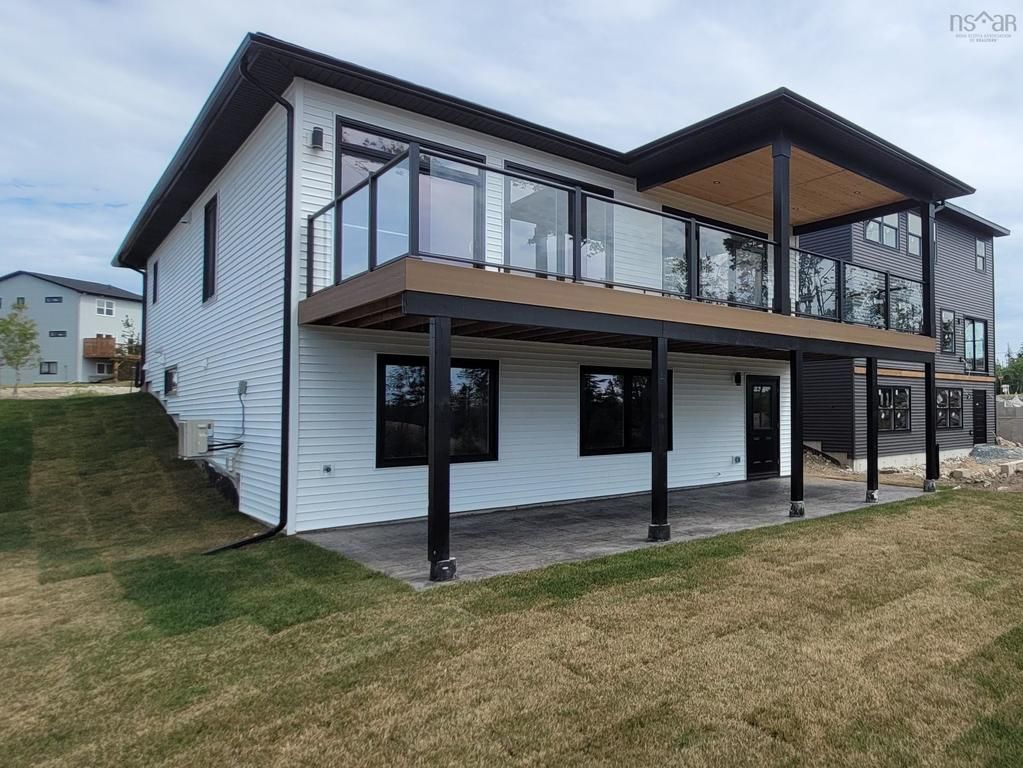
How to Apply for Your Home Builder Permit Without Losing Your Mind
Okay, so you need a permit. Now what. Breathe. It is manageable.
HRM moved most residential applications online a while back. You can submit documents, pay fees, and track progress from your phone while you are waiting for the ferry. No more driving downtown with a folder under your arm.
Your submission should include:
- A completed building permit form
- A simple site plan showing your property lines, existing structures, and what you are adding, with measurements
- Construction drawings: floor plans, exterior elevations, and a wall section drawing
- Structural details stamped by a Nova Scotia licensed engineer if you are changing anything that holds the house up
- Energy code documentation showing insulation values and mechanical specs
Reading through that list can feel like a lot. It usually does. Very few people draft technical building details in their spare time.
This is where working with a local builder changes the game. At Signature Homes, we handle the paperwork side as part of our custom process. We prepare drawings that meet code, coordinate with engineers when needed, and manage the back and forth with municipal reviewers. We handle the technical side so you can stick to the choices that actually shape your day. Pick out the stone for the kitchen. Decide where the breakfast bar makes the most sense for school mornings. Think through how the new floor plan will handle Sunday family dinners or when friends drop by after a game.
How long does review take? For straightforward renovations in HRM, plan on 8 to 12 weeks. Bigger jobs, like adding a second level or setting up a backyard suite, simply require more eyes at city hall. Reviewers need to check structural loads, drainage, and zoning compliance. The fastest way to keep things moving is to submit a fully organized application on day one. Missing a single engineering stamp or site measurement will send you back to the start of the line.
Working With a Local Team for Your Permit to Renovate House
If your project involves structural changes, system upgrades, or adding space, having someone who knows Halifax in your corner matters. We have completed over 200 custom builds across the HRM. We know which plan reviewers in Bedford ask for extra insulation details. We know how coastal wind loads affect deck designs in Eastern Passage. We know the quirks of character homes in the North End.
That local knowledge is practical. When you are navigating a permit to renovate house projects that blend renovation with new building, you need drawings that satisfy both building code and zoning bylaws. A local team anticipates those needs before you hit submit.
Maybe you are adding a laneway home behind your existing property in Armdale. Or raising the roof to add a primary suite with a view of the harbour in Purcell Cove. These projects need careful planning. We have done them before. We know what works.
Curious how we approach custom projects. Our custom builds page walks through our process step by step, and what to expect.

FAQ
How long does approval really take in Halifax?
For simple renovations, HRM typically reviews applications in 8 to 12 weeks. Add a few extra weeks if your plans require engineering sign off or fall near a heritage boundary. Clear, professional drawings prevent the city from sending it back for revisions. You will also want to time your submission around the holiday calendar, since reviewer availability dips in December and during summer breaks.
Can I start demolition while waiting for my permit?
Short answer is no. HRM requires the permit to be issued before any construction begins, including demolition of structural elements . Breaking ground before approval leaves you open to fines and work stoppages. Treat the review window as planning time. Finalize your finishes, line up trades, and place orders for items with longer lead times, like custom millwork or specialty windows.
What if my home is in a heritage area or near the water?
Properties in designated heritage zones or coastal setbacks face extra review layers. You might need a separate development permit before the building permit even starts processing. The city planners will check window styles, roof lines, or setback distances to make sure the work fits the neighborhood character. Check your property zoning early using HRM's Interactive Map. It saves surprises later.
Let's Make Your Renovation Happen, the Right Way
Permits are not the glamorous part of building. Nobody posts photos of their approval letter. But they are the quiet foundation of a project that lasts. In Halifax, where our weather tests every seam and our neighborhoods have character worth protecting, getting approvals right protects your investment and your peace of mind.
If your project falls into the permit category, we can handle the heavy lifting for you. The Signature Homes team has walked dozens of HRM homeowners through municipal approvals. We sort out the requirements, prepare the drawings, and manage the city communication so you stay on schedule.
Ready to start your renovation with confidence? Contact us today to talk through your plans and see what the next steps look like.