.svg)
.svg)
.svg)
.svg)
What Is an Accessory Dwelling Unit and Is It Worth Building in Nova Scotia?
ADUs are one of the fastest-growing property upgrades in Canada. Find out what an accessory dwelling unit is, what it costs, and whether it makes sense for your Nova Scotia property.
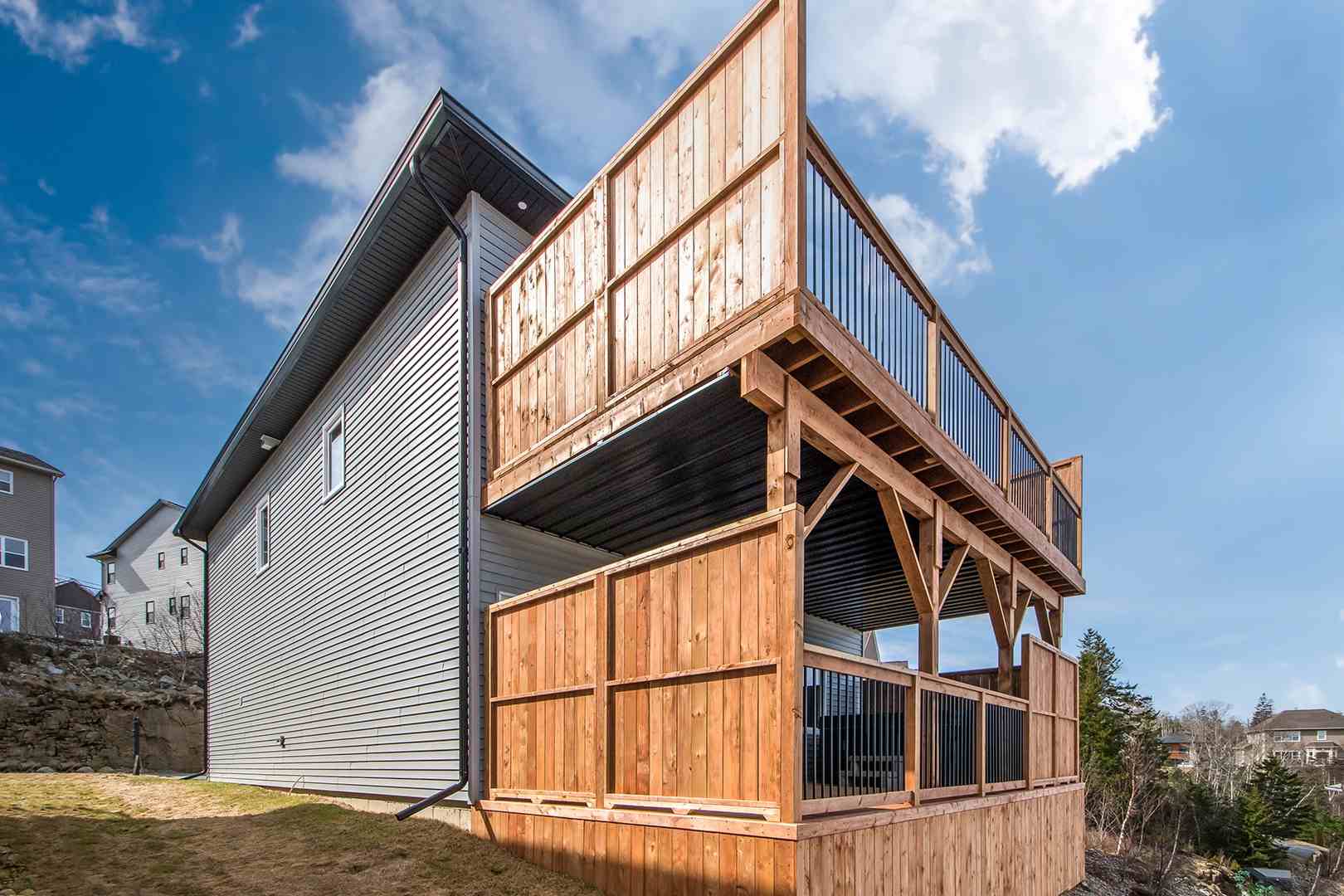
Own a house in Halifax? Chances are you have stared at your backyard and thought, "There has to be a better use for this space." Maybe Mom and Dad are slowing down and you want them nearby, but not sleeping under your roof. Maybe property taxes went up again and a little rental income would ease the pinch. Or maybe that side yard just collects snow and weeds when it could be doing something useful.
Here is the thing. An accessory dwelling unit turns that empty space into something that works for you. It is a complete, self-contained home on your lot. Kitchen. Bathroom. Bedroom. Its own door. Around here, folks call them secondary suites, garden cottages, or in-law apartments. Names vary. The benefit does not. ADU real estate lets Nova Scotia homeowners add flexibility and value without the stress of selling and starting over.
What Is an Accessory Dwelling Unit and How Does It Fit Your Life?
Strip away the terminology and an accessory dwelling unit is simple. It is a place someone can actually live. Not a den. Not a glorified storage room. A real home.
In Halifax, you will usually see two approaches.
Interior secondary suites tuck inside what you already have. Basement conversions are the classic move. The bones are there, so you save on foundation and framing. But you cannot just throw up a wall and call it done. Fire separation, proper egress, sound control. These details matter for safety and for getting your occupancy permit.
Detached backyard suites are their own thing. Imagine a small, well-built cottage behind your house. HRM allows these up to 93 square metres, with a height cap of 7.7 metres, in most residential zones. If you want your tenants, or your parents, to have their own driveway and their own mailbox, this is the path.
Both can generate income. Both can keep family close. Both can boost what your property is worth. Which one fits? That depends on your lot, your budget, and how you actually live.
Why Halifax Homeowners Are Saying Yes to ADUs
Let's be real. Housing here has shifted. Finding a decent rental in Dartmouth or Bedford can take months. Buying a second property feels impossible for most. So people are getting creative with the land they already own.
A legal secondary suite does two things at once. It adds housing where we need it. And it puts money back in your pocket. That extra income might cover your water bill. Help with braces for the kids. Or just mean you can finally fix that driveway without stressing.
And there is help available. Nova Scotia has forgivable loans up to $40,000 for qualifying suites used as affordable rentals or for family. The feds offer a 15 percent tax credit, up to $7,500, on eligible build costs. Halifax Regional Municipality also chips in with grants up to $12,000 through its Second Unit Incentive Program.
If you are curious what could work on your lot, we can help figure that out. Signature Homes has completed over 200 projects across the region. We know which neighbourhoods have tricky soil. We know how HRM reviewers think. And we know how to design a suite that feels intentional, not tacked on.
What Does an ADU Cost in Nova Scotia?
Honest answer. It depends. Your site access, the finishes you pick, whether you are building new or converting existing space. All of it moves the number.
For a brand new detached suite in Halifax, expect construction to start around $168 per square foot based on our recent projects. A 60 square metre backyard home often lands between $100,000 and $150,000 once utilities and permits are in the mix.
Converting a basement usually costs less upfront. The shell is already there. But do not skip the upgrades. Proper insulation, a separate electrical panel, fire-rated doors. These are not optional if you want a legal, safe unit. Permit fees in Halifax run roughly $8 to $12 per $1,000 of construction value, plus plan review.
Energy efficiency pays off here. Nova Scotia winters are not gentle. We build every project to meet current EnerGuide ratings so heating costs stay manageable for both households.
Permits and Zoning: What You Actually Need to Know
HRM made secondary suites easier to approve back in 2020. In many single-family zones, you do not need a variance anymore. You still need a building permit, though. That part has not changed.
Here is what the city checks for:
- A separate entrance that does not cut through the main house
- Ceiling height, ventilation, and fire safety that meet code
- Legal connections for water, sewer, and power
- Parking rules, which are relaxed for most secondary suites now
Backyard suites also have to respect setback lines and lot coverage limits for your specific planning district. If your property borders a watercourse or sits in a heritage area, expect extra review steps. A quick pre-application chat with HRM Planning can save you time later.
We have been pulling permits in Halifax for over 15 years. We know the forms, the timelines, and the common hold-ups. We handle the paperwork. You keep dreaming up the layout.
Is an ADU Worth It for Your Property?
Only you can decide that. But here is how we see it. If you want steady rental income, need a spot for aging parents, or hope to increase your home's resale value, an ADU often makes sense. In Halifax's tight market, legal secondary units tend to attract more interest and appraise higher.
Before you commit, ask yourself:
- Can a excavator actually get to the build site on my lot?
- Do I qualify for any of the provincial or municipal grants right now?
- Am I ready to be a landlord, or is this for family?
- How will a new structure change my yard and my privacy?
We have sat at kitchen tables across Halifax and helped homeowners work through these exact questions. We know the bylaws, the build logistics, and the design tricks that make small spaces feel generous. Take a look at our backyard suites designs to see what is possible.
Frequently Asked Questions About ADUs in Nova Scotia
Who can live in an accessory dwelling unit in Halifax?
Anyone, as long as the unit is legal. HRM allows secondary suites to house family, long-term renters, or guests. The key is passing final inspection and holding a valid occupancy permit.
Do I need separate utility meters?
Not always. Halifax Water usually allows backyard suites to connect to the main home's service line. Electrical can be shared or split. We figure out the most practical setup during design, based on your goals and the utility providers' rules.
How long does building take?
Basement conversions often wrap in three to five months from permit to occupancy. Detached suites typically run six to nine months, including HRM plan review and construction. Working with a local team that knows the approval process keeps things moving.
Ready to See What Your Property Could Do?
Here is the truth. Adding a secondary unit is a project, but it is also an opportunity. It can give your family more room. Create income that sticks around. Make your lot work harder for you.
At Signature Homes, we have helped dozens of Halifax homeowners do exactly this. We start by walking your property together. We check zoning, sketch ideas, and talk budget before any commitments. You get a clear plan, realistic timelines, and a team that picks up when you call.
If you are wondering whether an accessory dwelling unit could work for your Halifax property, let us chat. Contact Signature Homes today for a no-obligation consultation and discover how ADU housing can work for your Nova Scotia property.